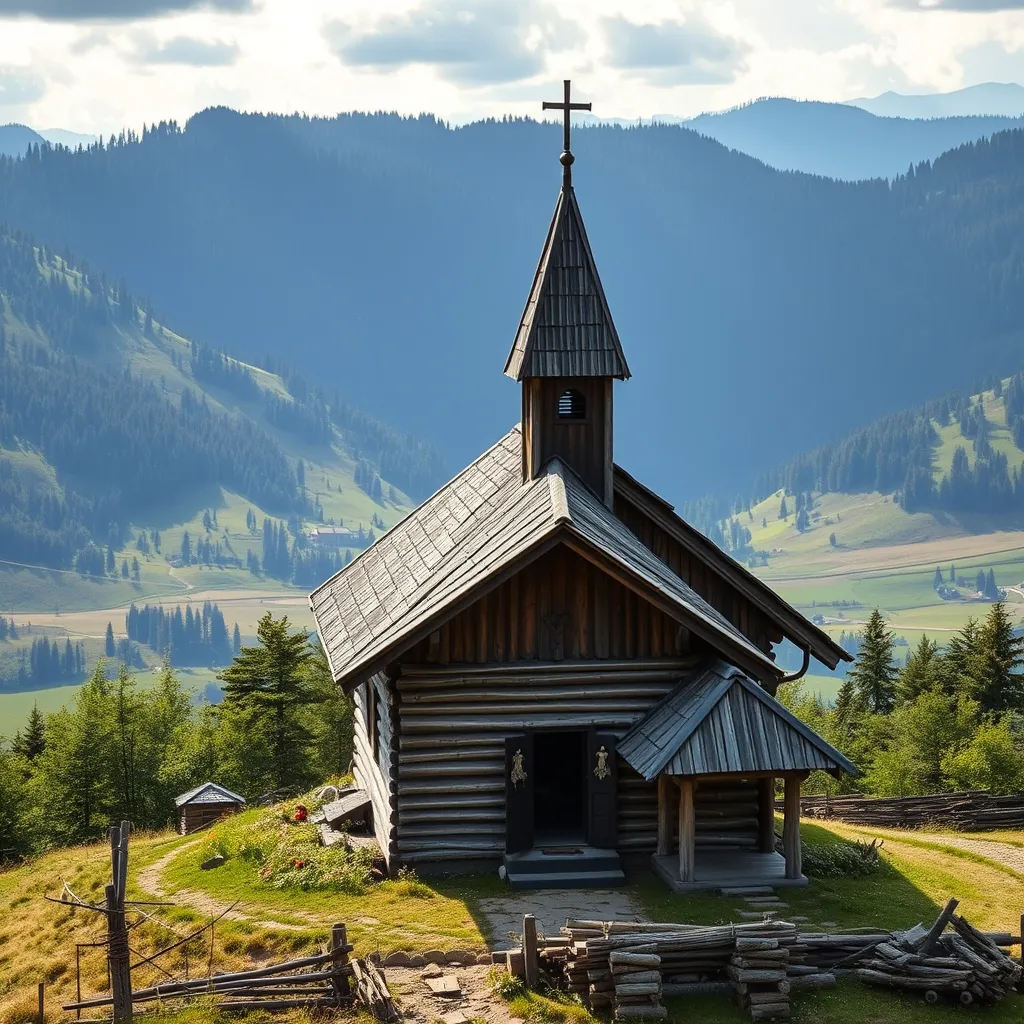
The Ruthenian Rite Byzantine Catholic Church is one of 23 Eastern Catholic Churches in full communion with the Latin Rite (Roman) Catholic Church. Its roots are with the Rusyn (Ruthenian) people of the Carpathian Mountains, in what is now Slovakia, Hungary, Ukraine, and Poland — having first received Christianity through the efforts of Saints Cyril and Methodius around 860 AD.
You’ve probably never heard of a Rusyn or Carpatho-Ruthenian, and that’s normal — the short story is that they’re a distinct people of central Europe who never formed their own country. The long story is covered in other articles. What’s important is that today the Byzantine Ruthenian Rite in America has become a multi-ethnic church that has taken on a truly American spirit, headquartered in Pittsburgh and spreading to all parts of the United States.
This article serves as an introduction to the historic Ruthenian Byzantine Rite, its beliefs, and the modern shape it’s taken in America today — where it has shed much of its original ethnocentricity and is today simply known as the Byzantine Catholic Church.
The Union of Uzhorod — From Schism to Reunion
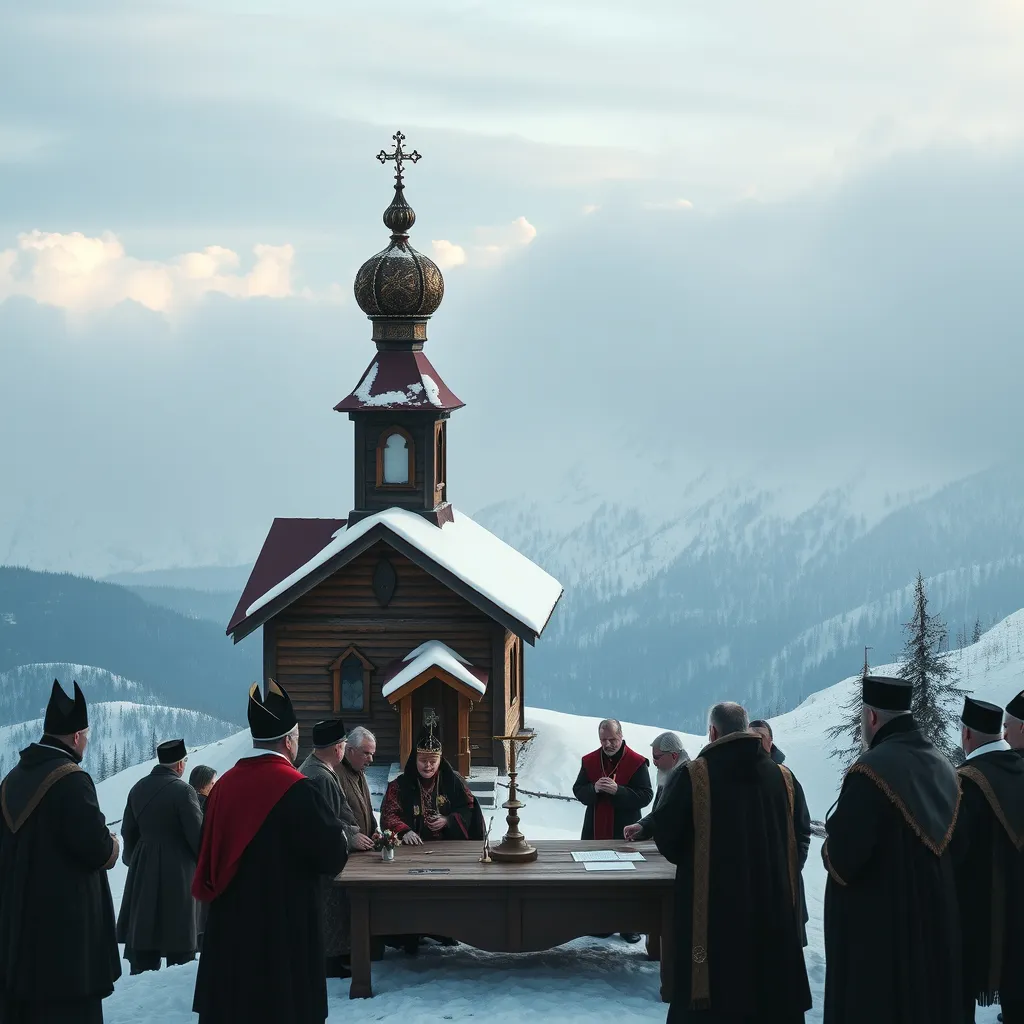
The modern foundations of the Byzantine Catholic Church began in 1646. During this time 63 Carpatho-Ruthenian Orthodox priests chose the unity of the Catholic Church over division during a time when the world was deeply divided by religious and political conflicts. Over the course of the next century other Rusyn-speaking Orthodox churches joined in various waves and helped the church grow into its modern shape, where there are now over half a million members across the globe.
You can read more about the Union of Uzhorod and the historical context that makes the Ruthenian church unique.
Key aspects of the Union of Uzhorod:
- Retention of Byzantine Rite: The priests kept their liturgical practices, which differ from the Latin Rite used in Western Catholicism.
- Recognition of Papal Authority: The priests in union acknowledged the Pope as the spiritual leader of the Church instead of the Ecumenical Patriarch in Constantinople.
- Preservation of Local Customs: The Ruthenian language and cultural practices remained integral to church and community life.
- General Acceptance of Previous Unions: The Council of Florence, which initially healed the Great Schism, and the Union of Brest served as models for the details of the union.
Understanding Eastern Catholic Churches
The Ruthenian Rite Byzantine Catholic Church is part of a larger family known as the Eastern Catholic Churches. These churches are in full communion with the Roman Catholic Church but follow Eastern Christian liturgical traditions and beliefs. They have completely separate church properties, hierarchies and priests — retaining full autonomy, yet having full and complete unity of faith. There are 23 such churches worldwide, each with its own history, language, and customs. This structure matches the original structure of the ancient Christian church described in the Bible and found historically.
What makes Eastern Catholic Churches unique?
- Diverse Liturgical Rites & Practices: They celebrate the Liturgy (Mass) and sacraments according to various Eastern rites, such as Byzantine, Alexandrian, Armenian, and others. Priests can be married (married before ordination), and babies receive Communion among other differences.
- Autonomy: Many Eastern Catholic Churches have their own hierarchy, governance, priests and property, while still recognizing the Pope’s apostolic authority.
- Cultural Identity: These churches often serve specific ethnic or national communities, preserving languages and traditions that date back centuries.
- Theological Emphasis: While sharing core Catholic doctrines, Eastern Catholic Churches emphasize different theological expressions and spirituality shaped by their heritage.
- Emphasis on Unity: Eastern Catholics celebrate the rich diversity within the Catholic Church, holding that legitimate differences in expression, emphasis, and practice are gifts that enrich rather than divide the unity of faith. For us, ecumenism is not an aspiration — it is heritage. This Church is the lived reality of East and West in communion.
This balance between unity and tradition remains a defining feature of the Ruthenian Rite Byzantine Catholic Church today.
The Modern Byzantine Catholic Church
The Ruthenian Rite Byzantine Catholic Church arrived in America with immigrants from the Carpathian region in the late 19th and early 20th centuries. Many came from what is now Western Ukraine, Northern Hungary, or Eastern Slovakia seeking better economic conditions.
However, during the Cold War the Soviets liquidated the Ruthenian Catholic Church in Europe. Bishops were systematically killed or imprisoned, Carpatho-Ruthenian villages were forcibly assimilated, and the church there was driven underground. Overnight the mother church in Europe was gone.
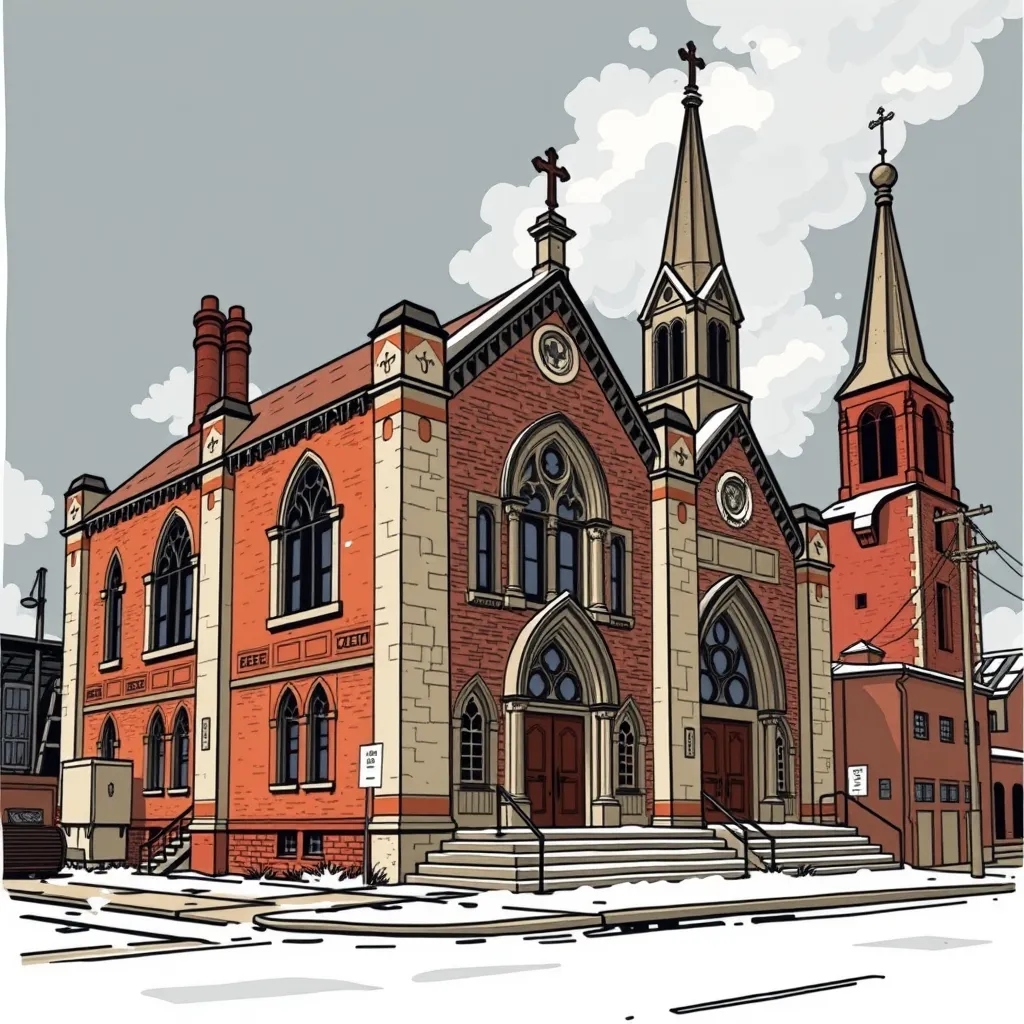
As a result of this, the remaining US-based bishops and clergy, with the help of the Pope, reorganized the church into the Byzantine Catholic Metropolitan of Pittsburgh. This structure is the only Sui-Iuris autonomous Catholic Church fully headquartered in the United States. It includes parishes and missions serving thousands of faithful, has expanded to include parishioners of all backgrounds, and is no longer ethnically Ruthenian. It is often simply called the Byzantine Catholic Church to reflect this new American-based identity.
You can read more about the modern origins of the Byzantine Catholic Church in America.
The Spirituality of the East
Central to Byzantine Spirituality is a focus on grace, healing, and union with God. Our tradition emphasizes that humanity was originally made in God’s image and created for relationship with God (Theosis).
From this starting point flows everything else:
- We recognize that our spiritual life is about more than simply avoiding sin, which is what the Mosaic law was meant to teach (Romans 3:20).
- We also recognize that the teachings of Jesus open up a path of spiritual growth and communion so that we may become “partakers of the divine nature” (2 Peter 1:4) as originally intended in the Garden of Eden.
- We finally realize that the goal of our Christian life, then, isn’t just to remain sinless, but to grow in relationship with God and share in this new life.
Central to this recognition of a life lived in communion with God are these ideas:
- That death need not be.
- That through Christ all things will be remade & restored in their proper time and order.
- That death & corruption are conditions of the world thrust onto us — not something inherent to us as creatures made in God’s image.
In essence, we believe that church and relationship with God involves a deep spiritual healing — an ongoing transformation, not merely a set of ordinances to follow. Above all, our God is a God of love who invites us into communion.
You can see how our Eastern spirituality colors our beliefs in Sinning vs. Being Righteous: A Scriptural Look at What Sin Actually Is.
Beliefs Compared to Roman Catholics
In general we tend to uphold the majority of Roman (Latin Rite) Catholic beliefs and ideas. If you were to hold up a checklist of beliefs, with few exceptions we check all the boxes. The main difference however is that our explanations, and how some of those beliefs take shape, are colored and guided by our eastern spirituality. A practical example is our fasting discipline: Byzantine fasts are typically more extensive than the Latin Rite, with Great Lent traditionally calling for abstention not only from meat but also from dairy, eggs, fish, wine, and oil on most days — preserving an older monastic pattern that has remained largely unchanged in the East. That being said there are a few differences in belief that are worthy of receiving their own separate post. We’ll cover these in future articles.
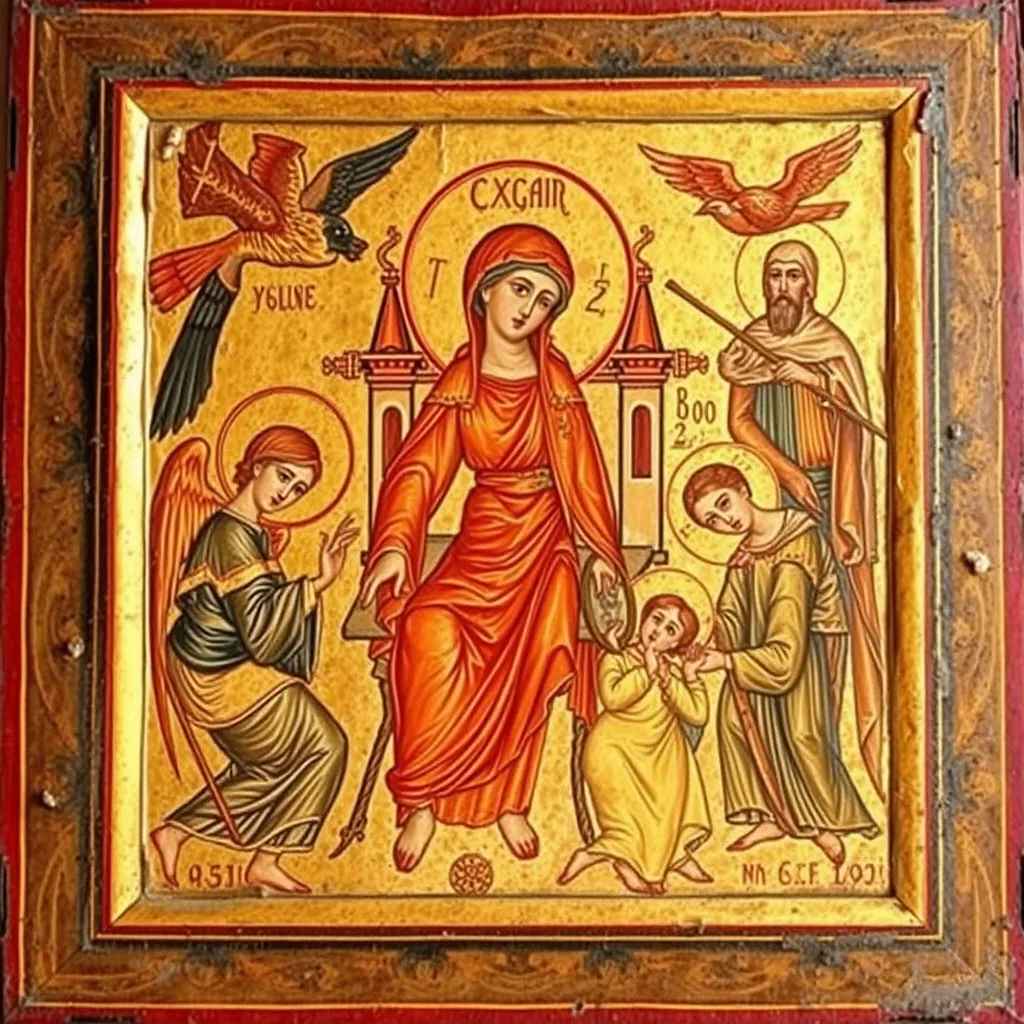
One immediately noticeable difference is our style of worship, which has largely gone unchanged since ancient times. The Divine Liturgy is rich, sensory, and participatory — meant to be entered into and experienced with the whole person. In fact our faith life absolutely revolves around our liturgical life and cannot be detached from it. We believe faith is meant to be lived in action, and the starting point for that is participating in the liturgical life of the church.
You can learn more about how our worship matches what the ancient biblical Christians practiced in The Divine Liturgy: A Scriptural Tour of Byzantine Catholic Worship.
Come Pray With Us!
Today the (Ruthenian) Byzantine Catholic Church is a multi-ethnic, diverse church that can offer and teach a more fulfilled, spiritual approach to Christianity that celebrates the joy of life and all of God’s creation. If you ever see a Byzantine Catholic Church, please stop in, light a candle, and pray with us!
A people without a nation. A Church open to all.
Continuing the Core Faith Series
But where does this faith actually come from — a new religion, or something far older? That’s where the Core Faith series turns next: to the unbroken faith that runs from Abraham through Christ to today, of which the Byzantine tradition is one living continuation.