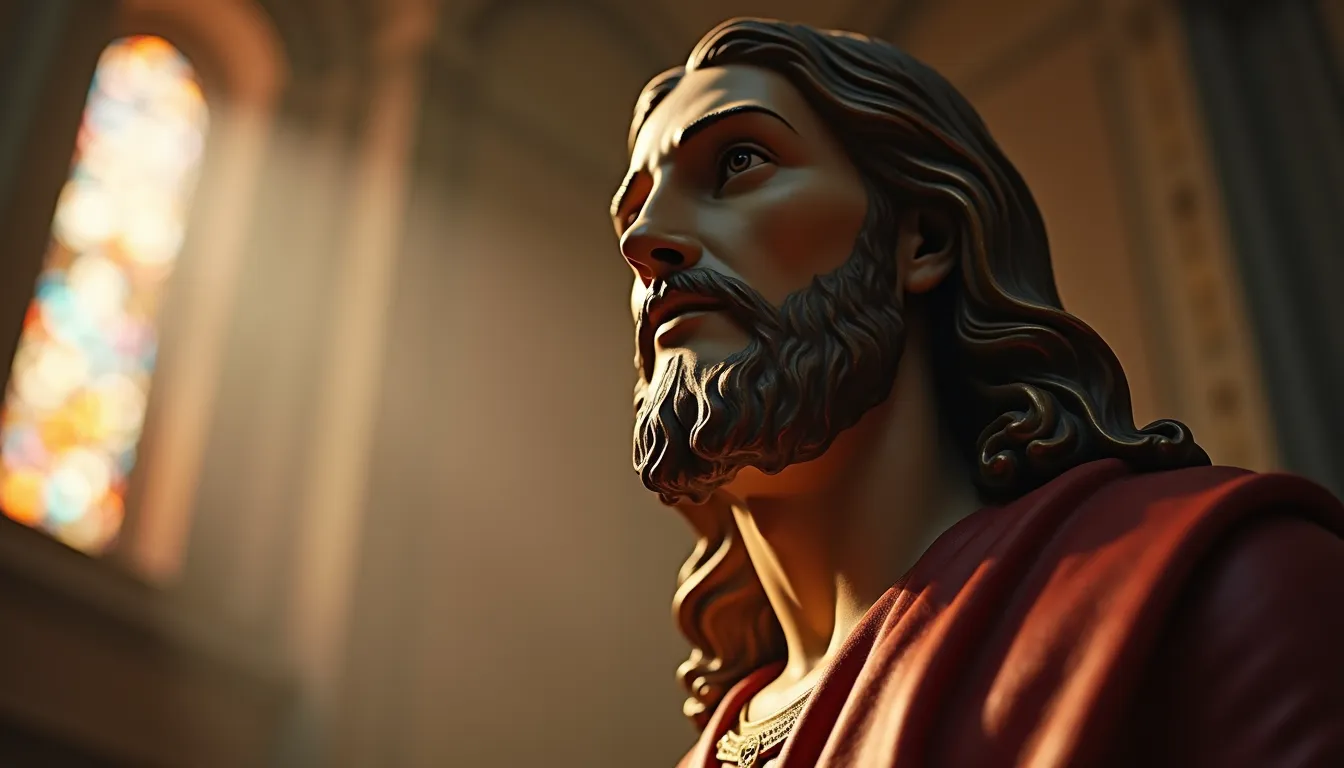
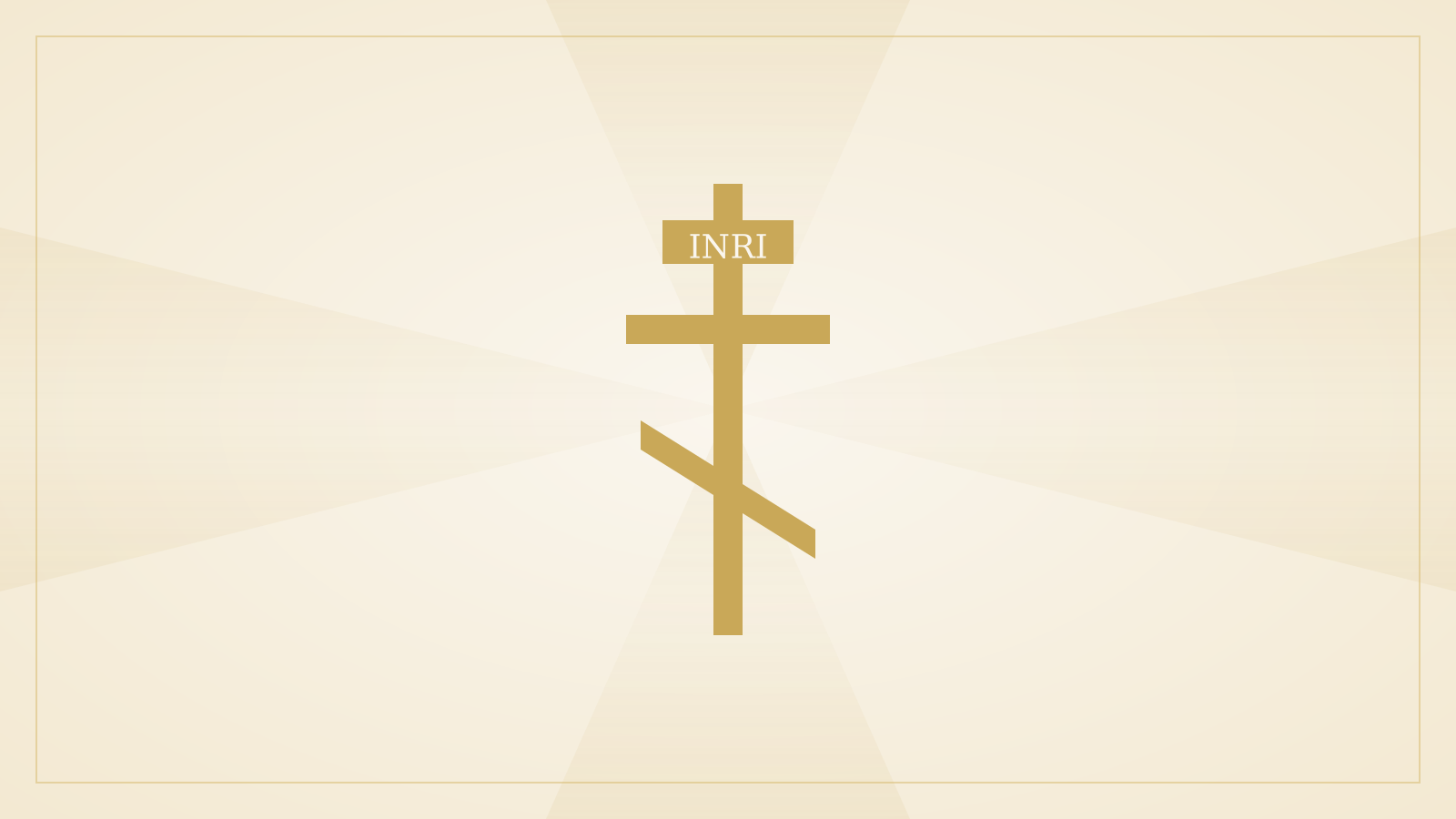
A common Protestant question: Why do Catholics have Jesus on the cross? Isn’t he risen?
The short answer: yes — and Christianity proclaims both his death and his resurrection. But the crucifix specifically makes visible something the New Testament insists we never let go of.
Paul refuses to soften the scandal.
“But we preach Christ crucified, a stumbling block to Jews and folly to Gentiles.” (1 Corinthians 1:23)
Paul wrote this in the very first generation of Christianity — and his Gospel had a center of gravity. Not the cross in general. Not the resurrection in general. Christ crucified. A scandal to outsiders, folly to the Greek philosophical mind — and yet the power of God to those being saved (1 Corinthians 1:18).
A few verses later, Paul makes it more emphatic:
“For I decided to know nothing among you except Jesus Christ and him crucified.” (1 Corinthians 2:2)
This is the core. Paul’s Gospel is not generically “the cross.” It is Christ on the cross. The crucifix is that Gospel made visible.
The crucifix is also typological.
Jesus himself draws the connection in John 3:14-15:
“And as Moses lifted up the serpent in the wilderness, so must the Son of man be lifted up, that whoever believes in him may have eternal life.”
The reference is to Numbers 21:8-9, where the Israelites bitten by venomous serpents were healed by looking on the bronze serpent Moses raised on a pole. Jesus identifies himself on the cross as the fulfillment of that image. We look on the crucified Christ, and live.
A crucifix isn’t decoration. It is the bronze serpent of the New Covenant.
The crucifix differentiates Christianity from religions that use a cross but reject Christ.
The bare cross — without a body — predates Christianity and is used by other religions. The ancient Egyptians used the ankh, a cross-shape with a loop, in their pagan religion. The Mandeans, an ancient sect that survives to this day in pockets of Iraq and Iran, venerate John the Baptist as the true prophet and reject Jesus as Messiah. Their religious symbol is a cross-shape (the darfash). Various other ancient and modern groups have used cross-symbols without confessing Christ as Lord.
The crucifix — the cross with Christ on it — names what Christianity actually proclaims: that this man, the Son of God, was crucified for us. It’s not the symbol that saves. It’s who is on the symbol.
This is also why we keep proclaiming his death — even after the resurrection.
“For as often as you eat this bread and drink the cup, you proclaim the Lord’s death until he comes.” (1 Corinthians 11:26)
Every celebration of the Eucharist is a proclamation of his death — not just his rising. The crucifix does the same thing visually: the central act of Christian worship is the death of Christ on our behalf. The crucifix keeps that act in the eye of the faithful. We never want to lose sight of it.
By his death, Christ conquered death.
This is one of the most ancient Christian convictions — and the crucifix proclaims it visually. The cross is not just where the price was paid. It is where the victory was won.
“Since therefore the children share in flesh and blood, he himself likewise partook of the same nature, that through death he might destroy him who has the power of death, that is, the devil, and deliver all those who through fear of death were subject to lifelong bondage.” (Hebrews 2:14-15)
Read that carefully: through death he might destroy him who has the power of death. Christ’s death itself — not his resurrection alone, but the act of dying — was the means by which the power of death was broken.
Paul makes the same point: “Death is swallowed up in victory. O death, where is your victory? O death, where is your sting?” (1 Corinthians 15:54-55).
The Byzantine Paschal troparion, sung at every Resurrection celebration for nearly two thousand years, names it directly: “Christ is risen from the dead, by death he conquered death, and to those in the tombs he granted life.” By death — he conquered death.
The crucifix shows the moment of that victory.
We hold both the Cross and the Resurrection together.
The Byzantine Catholic Divine Liturgy proclaims the Resurrection every Sunday — and yet there is always a crucifix visible in the church. The two are not in tension. Christianity teaches both: Christ crucified and Christ risen. The crucifix names what was paid; the empty tomb names what was received.
To strip Christ from the cross is to risk reducing the Gospel to a symbol that other religions could just as easily wear. To keep him on it — visible, named, proclaimed — is to do exactly what Paul did: preach Christ crucified.
Scripture. As the apostolic Church read it.